
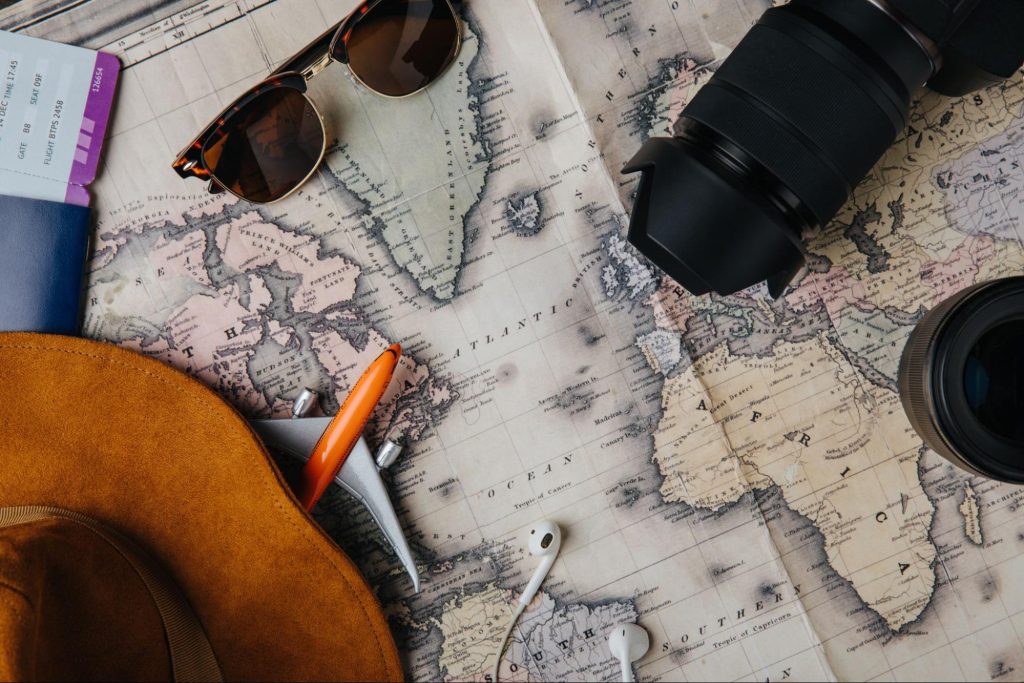
In the digital age, where information is readily available at our fingertips, planning a trip can seem both exhilarating and overwhelming. With a plethora of destinations to explore, activities to engage in, and accommodations to consider, travelers often find themselves questioning where to begin. This is where travel guides come into play, serving as indispensable tools that simplify the trip planning process. In this article, we will delve into what travel guides are, how they assist in planning trips, and why they are essential for modern travelers seeking enriching experiences.
Understanding Travel Guides
Travel guides are resources that provide comprehensive information about destinations, attractions, accommodations, and practical travel tips. They come in various formats, including printed books, online articles, mobile apps, and interactive websites. Regardless of the format, the aim of travel guides is to empower travelers with the knowledge they need to navigate new places confidently.
The Evolution of Travel Guides
Historically, travel guides have been around for centuries, originally designed to assist travelers in navigating unfamiliar territories. The earliest travel guides were often simple pamphlets or hand-drawn maps, but over time, they evolved into detailed books and comprehensive online resources. In today’s world, travel guides have adapted to include multimedia elements, enhancing the user experience through videos, interactive maps, and real-time updates.
Types of Travel Guides
Travel guides can be categorized into several types, each serving different purposes.
Printed Travel Guides: These traditional resources, such as those published by Lonely Planet or Fodor’s, offer extensive information about a region or country. They typically include sections on history, culture, and local customs, making them valuable for travelers seeking a deeper understanding of their destinations.
Online Travel Blogs: Many travelers turn to personal blogs for detailed accounts of their experiences. These blogs often provide tips, itineraries, and recommendations based on firsthand experiences, making them relatable and trustworthy resources.
Mobile Apps: Applications like TripIt and Google Maps provide real-time information and help travelers organize their itineraries, find nearby attractions, and navigate unfamiliar areas. Many of these apps include user-generated content and reviews for added insights.
Interactive Websites: Platforms like TripAdvisor and Yelp allow travelers to research destinations, read reviews, and connect with other travelers. These websites often feature forums where users can ask questions and share experiences, making them valuable resources for trip planning.
Specialized Guides: Some travel guides focus on specific themes or interests, such as food, adventure, or wellness. For instance, a culinary guide might highlight the best local restaurants, street food, and culinary experiences in a destination.
The Importance of Travel Guides in Trip Planning
Travel guides play a crucial role in the trip planning process by providing essential information and insights that help travelers make informed decisions. Here are several key ways in which travel guides assist in planning a successful trip.
Destination Insights
One of the primary functions of travel guides is to offer in-depth information about destinations. They provide historical context, cultural insights, and practical tips that help travelers understand the places they are visiting. This knowledge not only enriches the travel experience but also fosters respect for the local culture.
For example, a travel guide to Athens, Greece, might highlight the significance of the Acropolis and the historical events that shaped the city. Understanding these cultural nuances can enhance a traveler’s appreciation of the destination, making their visit more meaningful.
Practical Information
Travel guides provide essential practical information that helps travelers navigate their trips smoothly. This includes details about transportation options, visa requirements, currency exchange rates, and safety tips. Having access to this information can help travelers avoid common pitfalls and ensure a more enjoyable experience.
For instance, a travel guide might explain the best ways to get around Tokyo, including public transportation options like the Metro and tips for purchasing tickets. This practical knowledge can save travelers time and frustration.
Recommendations for Accommodations
Choosing the right place to stay is crucial for a successful trip. Travel guides typically feature recommendations for accommodations, ranging from budget hostels to luxury hotels. These recommendations often include essential details such as location, amenities, and price ranges, helping travelers find a suitable option that fits their needs and preferences.
For example, a travel guide to Barcelona might suggest a boutique hotel in the Gothic Quarter for those looking to immerse themselves in the city’s history. Alternatively, it may recommend a beachfront resort for families seeking a relaxing vacation by the sea.
Activity Suggestions
Travel guides are an excellent resource for discovering activities and attractions in a destination. They often highlight must-see landmarks, hidden gems, and unique experiences that travelers might not find otherwise. This curated information helps travelers create a well-rounded itinerary that includes a mix of popular sights and off-the-beaten-path adventures.
For instance, a travel guide for Costa Rica might recommend visiting the Arenal Volcano, exploring the Monteverde Cloud Forest, and relaxing on the beaches of Manuel Antonio National Park. These suggestions ensure travelers can experience the diverse offerings of the destination.
Dining Options
Food is an integral part of any travel experience, and travel guides often provide insights into local cuisine and dining options. They may recommend restaurants, cafes, street food vendors, and markets that showcase the culinary delights of a destination. This information helps travelers make informed dining choices and experience the local culture through its food.
For example, a travel guide to Bangkok might highlight street food stalls famous for their Pad Thai or suggest upscale dining experiences that feature traditional Thai dishes. This culinary exploration can enhance the overall travel experience.
Itinerary Planning
Creating a well-structured itinerary is essential for maximizing a trip. Travel guides often provide sample itineraries tailored to different interests and timeframes, helping travelers plan their days effectively. These itineraries can serve as a starting point for travelers looking to customize their own experiences.
For instance, a travel guide for New York City might offer a three-day itinerary that includes iconic sights like Times Square, Central Park, and the Statue of Liberty, along with recommendations for dining and entertainment. This structured approach helps travelers make the most of their time in the city.
Local Tips and Tricks
Travel guides often include insider tips and tricks that can enhance the travel experience. These may cover aspects such as the best times to visit attractions, how to avoid crowds, and local customs to be aware of. This valuable information can help travelers navigate their destination more confidently.
For example, a travel guide for Rome might suggest visiting the Colosseum early in the morning to avoid long lines or highlight local customs, such as the importance of dining etiquette. These insights can help travelers feel more comfortable and engaged with their surroundings.
The Benefits of Using Travel Guides
Utilizing travel guides during the trip planning process offers numerous benefits that can enhance the overall travel experience. Here are some of the key advantages of relying on travel guides:
Time-Saving
Traveling can be time-consuming, especially when researching information about a destination. Travel guides consolidate essential information in one place, saving travelers the time and effort of sifting through multiple sources. This streamlined approach allows travelers to focus on planning their itinerary instead of getting lost in endless research.
Enhanced Confidence
Having access to reliable information through travel guides can boost travelers’ confidence in their trip planning. Knowing that they have researched their destination thoroughly allows them to make informed decisions and navigate unfamiliar places with ease. This confidence can lead to a more enjoyable and stress-free travel experience.
Increased Cultural Awareness
Travel guides often emphasize the importance of cultural awareness and respect for local customs. By providing insights into local traditions, etiquette, and history, these guides encourage travelers to engage meaningfully with the communities they visit. This cultural understanding can lead to more authentic and enriching experiences.
Budget Management
Travel guides often provide budget-friendly recommendations, helping travelers manage their expenses effectively. By highlighting affordable accommodations, dining options, and activities, guides can assist travelers in sticking to their budgets while still enjoying their trips.
For example, a travel guide for Lisbon might recommend local eateries where travelers can enjoy authentic Portuguese cuisine without breaking the bank. This focus on budget-conscious choices allows travelers to maximize their experiences without overspending.
Safety and Security
Travel guides often include safety tips and information on local laws and customs. Being aware of potential risks and safety precautions can help travelers navigate their destinations more securely. This knowledge allows travelers to enjoy their trips with peace of mind, knowing they are well-informed.
How to Choose the Right Travel Guide
With so many travel guides available, selecting the right one for your trip can be a daunting task. Here are some key factors to consider when choosing a travel guide:
Define Your Travel Goals
Before selecting a travel guide, consider your travel goals. Are you looking for a comprehensive guide that covers multiple aspects of a destination, or do you need a specialized guide focusing on a particular interest, such as food or adventure? Identifying your priorities will help you choose a guide that aligns with your travel objectives.
Format Preference
Travel guides come in various formats, including printed books, online articles, and mobile apps. Consider your preferred format based on your travel style. Do you prefer the tactile experience of a printed book, or do you prefer the convenience of a mobile app that you can access on the go? Choosing a format that suits your preferences will enhance your experience.
Author Credibility
Research the authorship of the travel guide. Look for guides written by reputable authors or organizations with expertise in travel. Guides produced by established publishers, such as Lonely Planet, are often well-researched and reliable sources of information.
Recent Updates
Check the publication date of the travel guide. Travel information can change rapidly, especially in popular destinations. Opt for the most recent editions to ensure that you have access to up-to-date information regarding accommodations, attractions, and local customs.
User Reviews and Recommendations
Before purchasing a travel guide, read user reviews and recommendations. Online platforms, such as Amazon or Goodreads, often feature reviews that provide insights into the guide’s quality and usefulness. Hearing from fellow travelers can help you make an informed decision.
Real-Life Examples of Travel Guides in Action
To illustrate the impact of travel guides on trip planning, let’s explore a few real-life examples of how travelers have successfully utilized them.
Example 1: Exploring Japan with Lonely Planet
A couple planning their honeymoon decided to visit Japan, a destination they had always dreamed of exploring. They purchased the Lonely Planet Japan guide, which provided them with detailed information about must-see attractions, cultural customs, and practical travel tips.
Using the guide, they learned about the importance of etiquette when visiting temples and how to navigate the public transportation system. The couple created a well-structured itinerary that included visits to Kyoto’s historic sites, Tokyo’s bustling neighborhoods, and a relaxing stay in an onsen (hot spring). The guide not only helped them plan their trip but also enriched their understanding of Japanese culture, making their honeymoon unforgettable.
Example 2: A Solo Traveler’s Experience in Italy
A solo traveler embarking on a journey through Italy turned to travel blogs and online guides to help plan her trip. She discovered several personal blogs that offered firsthand accounts of experiences in different Italian cities. These blogs provided valuable insights into hidden gems, local dining spots, and unique cultural experiences.
Armed with this information, she crafted an itinerary that included not only iconic attractions like the Colosseum and the Leaning Tower of Pisa but also charming vineyards in Tuscany and local markets in Florence. The traveler appreciated the authenticity of the recommendations from fellow travelers, which allowed her to connect with the local culture in a more meaningful way.
Example 3: Family Vacation Planning with Mobile Apps
A family planning a summer vacation to Disneyland relied on a mobile app that provided real-time information about attractions, wait times, and dining options. The app featured user-generated content, including reviews and tips from other families who had visited the park.
Using the app, the family was able to create a flexible itinerary that prioritized rides with shorter wait times and recommended dining options that catered to their children’s preferences. The app also sent notifications about special events and parades happening during their visit, allowing the family to maximize their time at the park and make cherished memories together.
Conclusion
Travel guides are invaluable resources that serve as essential companions in trip planning. They provide travelers with the insights, information, and inspiration needed to navigate the complexities of travel while fostering cultural understanding and enhancing the overall experience. Whether through printed books, online articles, or mobile apps, travel guides empower individuals to explore the world confidently and creatively.
As travel continues to evolve, the role of travel guides will remain crucial in helping travelers plan memorable adventures. By utilizing these resources, travelers can ensure that their journeys are not only enjoyable but also enriching and transformative, allowing them to connect with the world around them in meaningful ways.
FAQs
What are travel guides?
Travel guides are resources that provide information about destinations, attractions, accommodations, and dining options, helping travelers plan their trips effectively.
How do travel guides assist in trip planning?
Travel guides offer destination insights, practical information, accommodation recommendations, activity suggestions, and dining options, making trip planning easier and more informed.
Why are travel guides important for travelers?
Travel guides enhance travelers’ experiences by providing essential information, boosting confidence, increasing cultural awareness, and saving time during the trip planning process.